

Planning a campervan conversion? Before adding a bed, kitchen, batteries and storage, there’s one important thing to check: payload. A van might look spacious, but that doesn’t mean it can safely carry everything you want to install.
Understanding campervan payload helps you choose the right base vehicle, avoid overloading and plan a comfortable conversion. Here’s what UK campervan owners need to know before hitting the road.
What Is Campervan Payload?
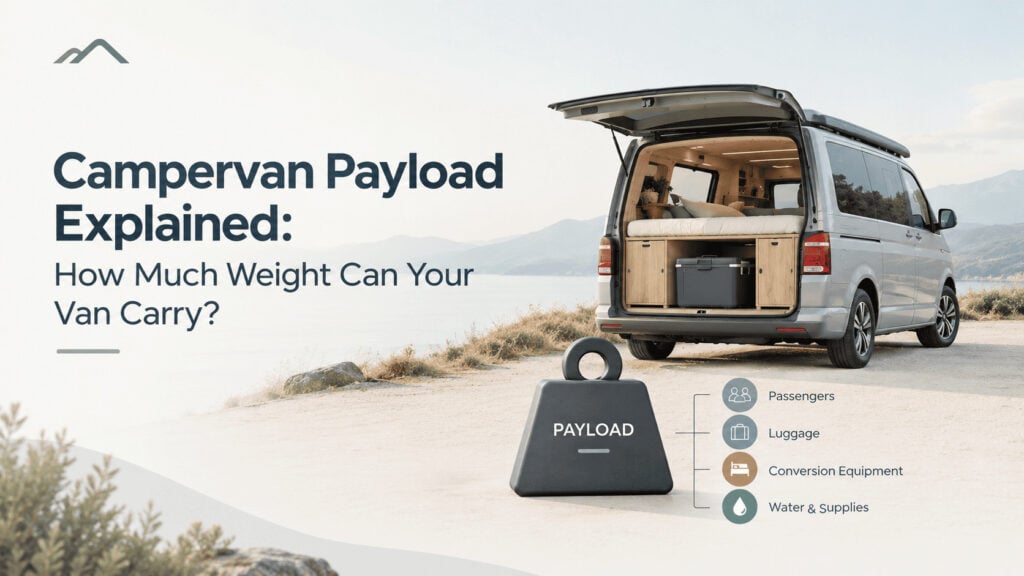
Payload is the weight a vehicle can carry within its permitted limits. This includes passengers, luggage, conversion equipment and other items, according to the applicable vehicle weight definitions.
For example, if your van has a maximum authorised mass of 3,500 kg and its relevant unladen weight is 2,700 kg, the difference is 800 kg. However, the actual available payload depends on the vehicle’s specified weight and what is already included in it.
Always check the manufacturer’s documentation and weigh the van if necessary.
How to Calculate Your Payload
Use this simple formula:
Available payload = Maximum permitted vehicle weight minus actual vehicle weight.
For example, a van weighing 2,900 kg with a maximum permitted weight of 3,500 kg has 600 kg remaining before reaching that limit.
Your conversion materials, passengers, water, food and luggage all use some of that capacity.
Also check the permitted front and rear axle loads. Staying below the overall weight limit doesn’t automatically mean the load is distributed safely.
What Adds Weight to a Campervan?
Even a small conversion can add considerable weight.
Common items include:
- Insulation, flooring and wall panels.
- Bed frames, mattresses and kitchen units.
- Leisure batteries and electrical systems.
- Water tanks, plumbing and heating.
- Passengers, clothes and travel equipment.
If you’re comparing Sunbox camper vans, planning a small camper vans layout or building a small converted van, consider the finished weight before choosing your design.
Tips for Choosing the Right Campervan
Choose a van that suits both your layout and your weight requirements. A compact camper may need less furniture, while a larger conversion can require heavier equipment.
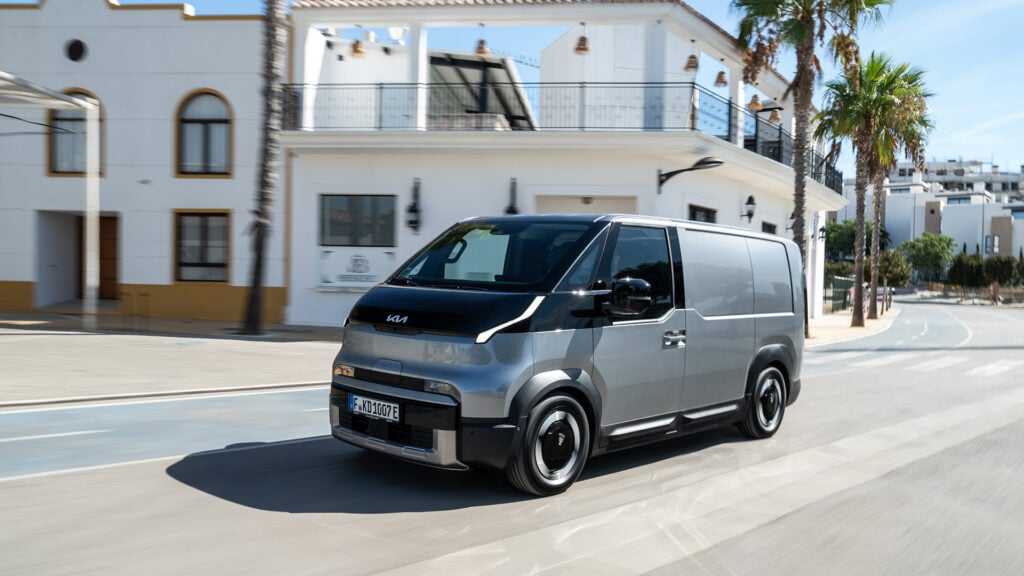
If you’re researching a Kia camper van for sale UK, the Kia PV5, an ID Buzz camper conversion or an ID Buzz camper, check the exact vehicle specification and payload before committing.
Electric vans also have specific weight and payload considerations, so verify the figures for the exact model and configuration.
Key Takeaways
- Check your van’s maximum permitted weight before converting it.
- Account for passengers, luggage and all conversion equipment.
- Check axle limits as well as the overall vehicle weight.
- Weigh the completed campervan when necessary.
- Choose a layout that leaves enough legal carrying capacity.
Frequently Asked Questions
1. What is payload on a campervan?
Payload is the weight a vehicle can carry within its permitted limits, including people, luggage and conversion equipment.
2. How do I check my campervan’s payload?
Check the vehicle documents and manufacturer’s specifications. For a converted van, an accurate weighbridge measurement can help establish its actual weight.
3. Does a campervan conversion reduce payload?
Yes. Conversion materials, furniture, batteries and appliances add weight, leaving less capacity for passengers and belongings.
4. Can I overload my campervan?
You should never exceed the vehicle’s permitted weight or axle limits. Overloading can affect handling, braking and road safety.
5. Does an electric campervan have a payload limit?
Yes. Electric campervans have specified weight limits, and payload varies by model and configuration. Always check the manufacturer’s figures.
6. Should I check payload before buying a van?
Absolutely. Checking payload before buying helps you choose a suitable base vehicle and avoid costly changes to your conversion plan.
Conclusion
Understanding campervan payload is essential before starting a conversion. Check your vehicle’s weight limits, account for everything you’ll carry and plan your layout carefully. A suitable payload helps you enjoy your campervan while keeping your vehicle within its permitted limits.