

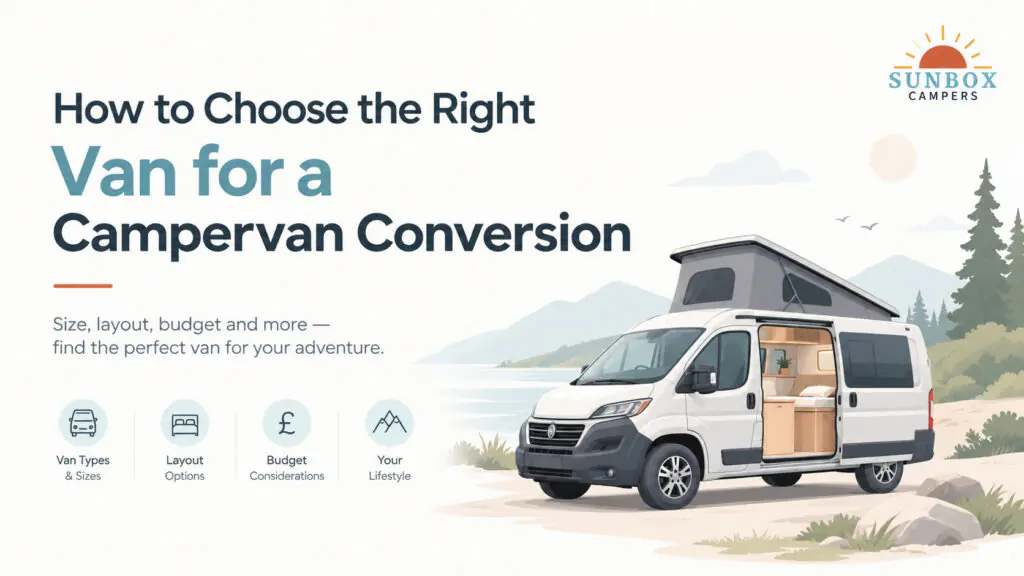
Choosing the right van for a campervan conversion can save you money, time and plenty of headaches. The best van depends on your budget, travel plans and the type of interior you want. Whether you’re planning weekend adventures or longer road trips, choosing the right base vehicle is the first step towards building a practical campervan.
1. Decide How You Will Use Your Campervan
Before buying a van, think about how you’ll use it.
- Weekend trips: A compact van may provide enough space for a bed and basic cooking facilities.
- Long trips: A larger van offers more room for storage, cooking and relaxing.
- Couples: A medium-sized van can provide a good balance between comfort and everyday driving.
- Families: Look for enough sleeping space, safe travelling seats and room for luggage.
Planning your needs first makes it easier to choose the right vehicle.
2. Compare the Best Vans for Campervan Conversion
Several vans are popular choices for campervan conversions in the UK.
- Volkswagen Transporter: Suitable for compact campers and weekend trips.
- Ford Transit Custom: A practical option for everyday use and smaller conversions.
- Fiat Ducato: Offers useful space for a kitchen, bed and storage.
- Peugeot Boxer: Worth considering for larger DIY conversions.
- Mercedes-Benz Sprinter: Suitable for spacious layouts and longer journeys.
Compare the actual dimensions, maintenance history and price of each vehicle before making your decision.
3. Choose the Right Van Size and Roof Height
A short-wheelbase van is generally easier to park and manoeuvre, while a long-wheelbase model provides more room for furniture and storage.
Roof height is equally important. A high-roof van may allow you to stand upright inside, making cooking and moving around more comfortable.
Remember to measure the interior before buying. Insulation, flooring and cupboards will reduce the available space.
4. Check the Van’s Condition and Payload
Don’t choose a van based on price or mileage alone. Check its service history, MOT records, engine, gearbox, tyres and bodywork for rust.
Payload is also important because your conversion adds weight. Insulation, batteries, furniture, water tanks, passengers and luggage must all fit within the vehicle’s permitted weight limits.
If you’re unsure, arrange an independent inspection before buying.
5. Plan Your Conversion Budget
Your budget should include more than the van itself.
Consider the cost of:
- Insulation and flooring
- Bed and kitchen units
- Electrical equipment and batteries
- Water systems and heating
- Mechanical repairs and servicing
- Insurance and professional installation
A cheaper van isn’t always better value if it needs expensive repairs.
6. Common Mistakes to Avoid
Avoid these common problems when choosing a van:
- Buying before measuring the interior.
- Ignoring payload and weight limits.
- Choosing a van with poor maintenance records.
- Forgetting about parking and everyday driving.
- Planning the conversion without considering ventilation and insulation.
Frequently Asked Questions
1. What is the best van for a campervan conversion?
The Volkswagen Transporter is worth considering for compact campers, while the Fiat Ducato, Peugeot Boxer and Mercedes-Benz Sprinter suit many larger layouts.
2. Is a high-roof van better for conversion?
A high-roof van can provide more headroom and make longer trips more comfortable.
3. Is a short-wheelbase van suitable for camping?
Yes. It’s a practical option for weekend trips and compact conversions.
4. What should I check before buying a van?
Check the service history, MOT records, rust, mechanical condition, dimensions and payload.
5. Can I convert a van myself?
Yes. A DIY conversion can work well if you plan the layout, budget and safety requirements carefully.
6. How much does a campervan conversion cost in the UK?
The cost varies depending on the base vehicle, materials, equipment and labour. Calculate the complete project budget before buying.
Conclusion
Choosing the right van comes down to your budget, available space and travel plans. Compare suitable models, check their condition and payload, and plan your interior before buying. The right base vehicle will make your campervan conversion simpler and more practical for years to come.